Tuesday, May 10, 2011

A Traveler's Account of Nicosia: Lawrence Durrell, 1953-6


In a previous post, I mentioned the famed British writer Lawrence Durrell who spent three years on the island immediately prior to the movement against the British control over Cyprus in the late 1950’s. Durrell lived in a small village called Bellapaix, near Kyrenia, among Cypriots in an attempt to “experience [the island] through its people rather than its landscape, to enjoy the sensation of sharing a common life with the humble villagers of the place” (52). The following is one of his only mentions in detail of his time spent within the Walled City of Nicosia: 


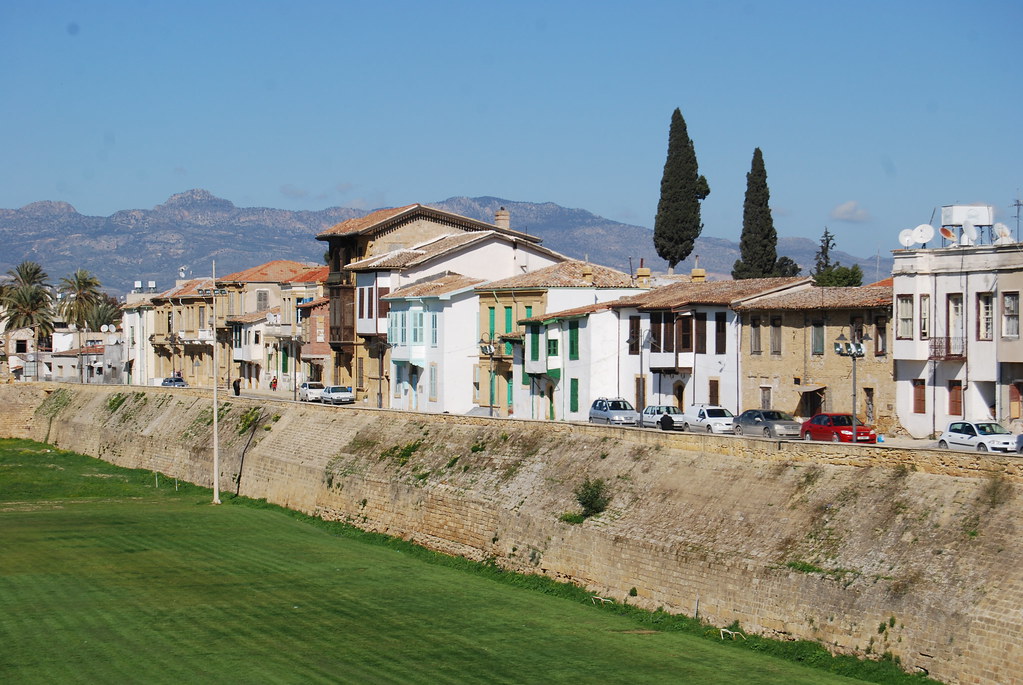
Back across the Mesaoria, the hot barren plain with the single fortress lying in the middle—its roads radiating out from all directions, starfish-wise, Nicosia was merely a crude echo of the sea-dazzling city we had left [Famagusta]; and its current associations so qualified its own very different beauties that I had often to refresh myself in the knowledge of it by taking solitary walks along the ancient bastions or through the crowded markets. Sitting in the long grass among the spiked and abandoned British guns on the Kyrenia wall, I would watch the Turkish children flying their coloured kites in the quick fresh evening wind which ushers in the summer twilights of the capital” (164).

A child playing near the "Kyrenia wall" of Nicosia
Durrell, L. 1957. Bitter Lemons. London: Faber and Faber.

Wednesday, May 4, 2011

A Traveler's Account of Nicosia: Archduke Salvator of Austria, 1881

I've already mentioned his account in a previous post, but Archduke Salvator of Austria describes his first impressions of Nicosia (Levkosia) so beautifully that i had to post them again for the sake of my traveler series:


"When, after passing a pleasant range of hills, Levkosia first bursts upon the sight, with her slender palms and minarets, seated in a desert plain, a chain of picturesque mountains as the background, it is like a dream of the Arabian Nights realized – a bouquet of orange gardens and palm trees in a country without verdure, an oasis encircled with walls framed by human hands...


An oasis of palms at the Hala Sultan Tekke near Larnaca

... Great is the contrast between the town and its surroundings, and greater still between the objects within the city. There are Venetian fortifications by the side of Gothic edifices surmounted by the Crescent, on antique Classic soil. Turks, Greeks, and Armenians, dwell intermingled, bitter enemies at heart, and united solely by their love for the hand of their birth. (Salvator, 9)


View of Zahra Street in north Nicosia

Salvator, L. 1983 (1881). Levkosia: The Capital of Cyprus. London: Trigraph.

Monday, May 2, 2011

A Traveler's Account of Nicosia: Richard Pococke, 1738

This is the first installment of a new series of posts that record the first impressions of travelers in Nicosia over the last few centuries.


"From this place [Chyterea] we travelled to the southwest to Nicosia. I went to the house of the consul’s broker, and was also recommended to the dragoman of the mosolem; both of them assisted me in seeing that city, which is towards the west end of the plain, and is supposed to be the old Tremitus; it is the capital of Cyprus, where the mosolem or governor resides; it is fortified with very large ramparts, but has no foffee(?), and consequently is a very indifferent fortification; the ramparts are faced with the hewn stone of the old walls; the circumference of them is about two miles...

Point of one of the 11 heart or arrow-shaped bastions that surround the Walled City of Nicosia.

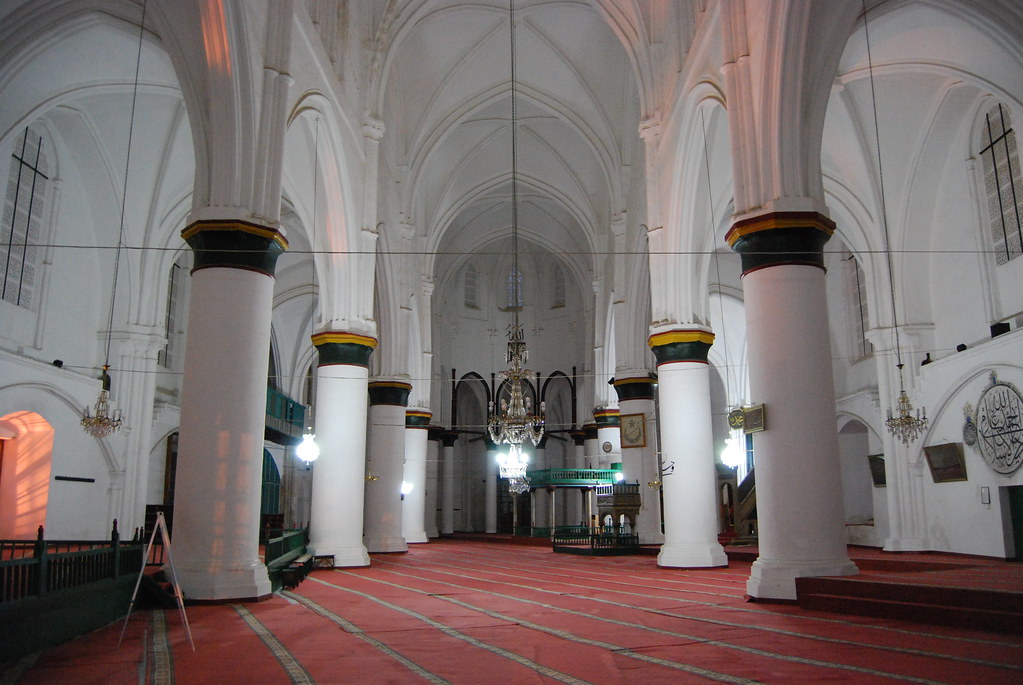
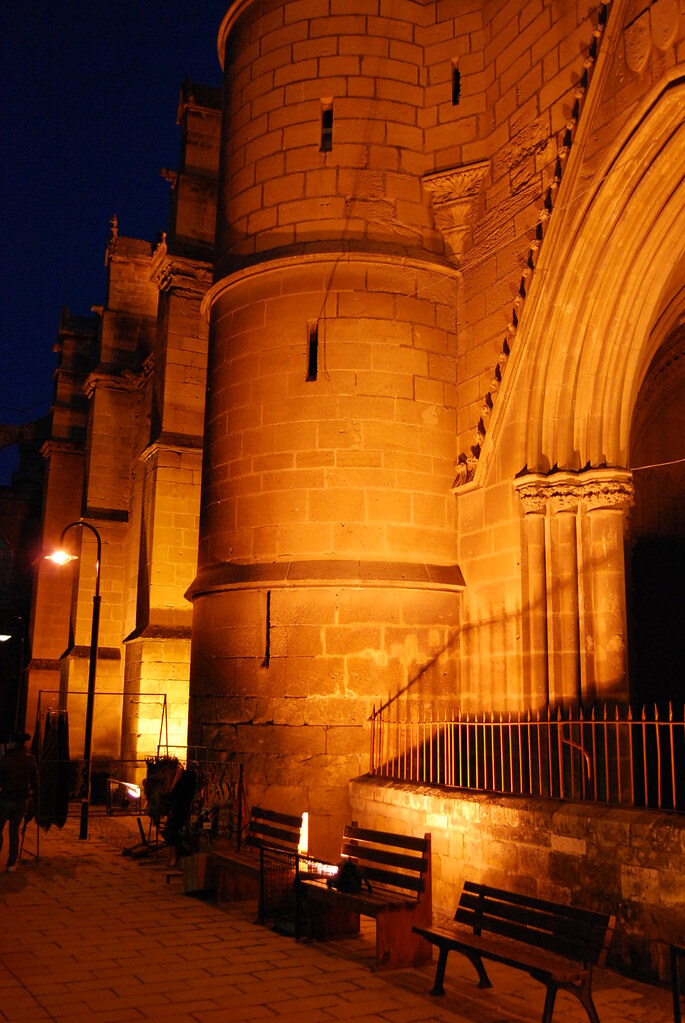
... The walls of the ancient city, which were built with semicircular towers, may be traced all around, and they seem not to have been much less than four miles in compass. There are still remaining in the city several very magnificent houses, which are of the times of the kings of Cyprus; some of them have been repaired by the Venetians, according to the rules of modern architecture; and there is a most beautiful Corinthian door-case of a house which, they say, belonged to the Venetian general. The cathedral church, now a mosque, is a large building, and exceeds that of Famagusta in the front, as much as it falls short of it in other respects; there was also a church here dedicated to the holy cross, and another of the Augustinians, which are now mosques...

The "cathedral church" mentioned above, formerly known as St. Sofia Cathedral is now Selimiye Mosque

... The Greeks have several new built churches in the city, and the Latin fathers of the convent of the holy sepulcher at Jerusalem have a small convent. Though there are very few Armenians yet they have possession of an ancient church here. There is a great manufacture of cotton stuffs, particularly of very fine dimities, and also half satins of a coarse fort; they have here the best water in Cyprus brought by an aqueduct from the mountains."

Pococke, R. 1745. A Description of the East, and Some other Countries. Vol. II Part I. Observations on Palaestine or the Hold Land, Syria, Mesopotamia, Cyprus, and Candia. Chapt. IV. Of Nicosia, Gerines, Lapta, and Soli: 221-2